Source Glass Electric Tea Kettle with 24 Hour Timer for Home, Office, and Travel
Explore 30 listings for a glass electric tea kettle with 24 hour timer featuring cordless designs, automatic shut-off, and various capacities. Buyers can compare specifications like wattage, heating rates, and certifications to find the right supplier for bulk orders; compare the available evidence and request quotations based on your requirements.
Key considerations
Products List


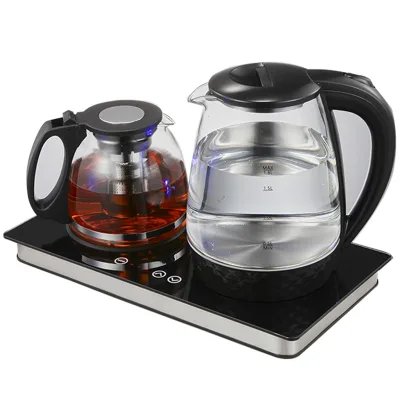


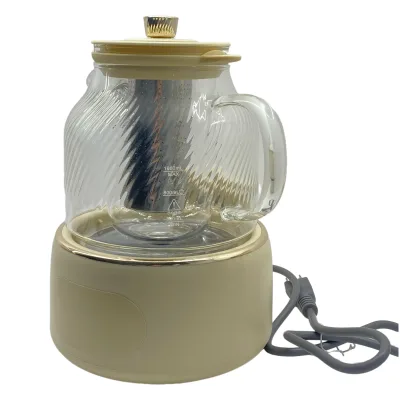

Comprehensive Sourcing Guide
Glass Electric Tea Kettle with 24 Hour Timer Sourcing Guide
Sourcing a glass electric tea kettle with a 24-hour timer requires distinguishing between standard boiling units and advanced programmable models, as the supplied data reflects a mix of basic and feature-rich appliances. While the observed product list includes models with automatic shut-off and cordless bases, specific timer capabilities are not explicitly confirmed in the provided attribute set. Buyers must verify if the "Keep Warm" feature observed in some listings equates to a programmable 24-hour delay function, as this distinction significantly impacts the unit's utility for overnight brewing or scheduled preparation.
The market signals indicate a diverse range of capacities and materials, from 1.8L to 2L units constructed with high borosilicate glass and stainless steel bodies. This variation suggests that procurement strategies should focus on matching the specific capacity and material durability to the intended volume of use. Procurement teams should prioritize suppliers who can clearly articulate the difference between a simple keep-warm function and a true programmable timer, ensuring the selected unit meets the precise operational requirements of the target market without relying on ambiguous feature descriptions.
Product Scope and Observed Listing Signals
The observed product range spans a price point of 2 to 18.41 USD with minimum order quantities varying widely from 2 to 3000 units, indicating a market segmented by both volume and customization needs. Listings show distinct variations in heating styles, with chassis heating and rapid heating rates of 4-6 minutes or under 4 minutes being common specifications. Buyers should analyze these performance metrics to determine if the heating speed aligns with their operational efficiency goals, as faster heating rates often correlate with higher wattage and potentially different energy consumption profiles.
Packaging and customization options are significant differentiators in this category, with some units offered in simple cartons while others arrive in color boxes with custom branding capabilities. The availability of customized brands and packing suggests that many suppliers are prepared for private label arrangements, which is critical for retailers seeking to build a distinct market presence. However, the presence of standard sizes alongside specific model numbers like HJ-134 and D24062801 implies that buyers must carefully review the exact model specifications to ensure the physical dimensions and standard sizes match their logistical and retail display requirements.
Technical Specifications to Verify
Voltage and wattage compatibility are critical technical parameters that vary significantly across the observed listings, with units appearing at both 120V and 220V with wattages around 1100 Watts. Buyers must strictly verify the voltage rating against the target market's electrical infrastructure to prevent equipment failure or safety hazards. The presence of multiple adapter specifications, including US, UK, AU, and EU, indicates that suppliers may offer plug variations, but the core electrical rating must be confirmed for each specific order to ensure global compliance and operational safety.
Physical dimensions and material composition also require rigorous verification, as the data shows thicknesses of 0.8mm and sizes ranging from 22cm to specific dimensions like 10"L x 5.5"W x 4"H. The use of high borosilicate glass combined with 201 stainless steel is a common construction method, yet the inner coating varies between stainless steel and glass, which affects cleaning and durability. Procurement teams should request detailed technical drawings to confirm the thickness and material grade, ensuring the kettle can withstand thermal shock and frequent use without compromising the structural integrity of the glass body.
Compliance and Safety Documentation
Certification requirements are complex in this sector, with observed listings displaying a wide array of marks including CE, CB, RoHS, LFGB, ETL, CCC, and ISO GS. The presence of multiple certifications suggests that different models or batches may meet different regional standards, necessitating a clear verification of which specific certifications apply to the ordered unit. Buyers should demand a certificate of conformity for the exact model number being purchased, as the absence of a specific mark like ETL or CCC could prevent market entry in regulated regions such as North America or China.
Safety features are another critical area of documentation, with overheat protection and automatic shut-off being standard attributes in the observed data. While these features are listed, the specific testing protocols and safety standards they adhere to must be validated through third-party test reports. The inclusion of temperature ranges from 40 to 100 degrees Celsius indicates precise control capabilities, but buyers should ensure that the safety mechanisms are independently verified to prevent overheating risks, especially in units intended for unattended operation or extended keep-warm cycles.
Cost Drivers and Commercial Terms
Pricing and minimum order quantities are heavily influenced by the level of customization and the complexity of the product features. The observed MOQ range of 2 to 3000 units suggests that smaller orders may incur higher per-unit costs, while larger volumes could unlock significant price reductions. Buyers should negotiate based on the specific customization requirements, such as custom logos or packaging, as these add-ons often increase the base cost and may require higher minimums to justify the setup expenses for the supplier.
Payment terms and sample availability are also key commercial factors that affect the overall procurement strategy. The data indicates that suppliers offer samples with a lead time of 7-10 days and accept payment methods like T/T and PayPal, providing flexibility for initial testing. However, the final commercial agreement should clearly define the lead times for bulk production, as the sample lead time does not necessarily reflect the timeline for large-scale manufacturing. Buyers should secure written agreements on delivery schedules to mitigate the risk of delays that could impact their market launch or inventory planning.
Supplier Qualification and Quality Control
Supplier qualification should focus on verifying the origin and manufacturing capabilities, as the data points to Ningbo and China as primary production locations. Buyers must assess the supplier's ability to maintain consistent quality across different batches, especially given the variation in model numbers and specifications observed in the listings. A robust quality control process should include pre-production samples and in-line inspections to ensure that the glass thickness, heating elements, and safety features meet the agreed-upon standards before mass production begins.
Quality control protocols must also address the specific material properties, such as the high borosilicate glass and stainless steel construction, to prevent defects like cracking or corrosion. The presence of different inner coatings, including glass and stainless steel, requires distinct inspection criteria to ensure the coating is applied correctly and does not flake or degrade over time. Buyers should implement a rigorous acceptance sampling plan that tests for thermal shock resistance and electrical safety, ensuring that every unit leaving the factory meets the high standards required for consumer electronics.
Long-Term Procurement Checks
Long-term procurement success depends on establishing a reliable supply chain that can adapt to changing market demands and regulatory updates. Buyers should maintain regular communication with suppliers to stay informed about any changes in certification requirements or material standards that could affect the product's compliance status. Proactive engagement ensures that the supply chain remains resilient and that the products continue to meet the safety and performance expectations of the target market over time.
Continuous performance monitoring is essential to identify any recurring quality issues or supply chain bottlenecks that could disrupt operations. Buyers should track key performance indicators such as defect rates, delivery times, and customer feedback to assess the supplier's ongoing reliability. By maintaining a data-driven approach to supplier management, procurement teams can make informed decisions about contract renewals and potential supplier diversification, ensuring a stable and efficient supply of glass electric tea kettles for the long term.
FAQs
What certifications are available for glass electric tea kettles?
Glass electric tea kettles typically feature CE, CB, RoHS, and ETL certifications to ensure safety and compliance. Some models also hold LFGB and CCC marks for specific regional standards. These certifications verify that the heating elements and electrical components meet rigorous quality benchmarks. Buyers should verify the exact certification list for each supplier to match their target market requirements.
Can I customize the brand and packaging for these kettles?
Yes, customization is available for both branding and packaging. Suppliers offer options for custom logos and tailored carton or color box designs. This allows buyers to align the product with their retail strategy. The customization process typically requires approval of design proofs before mass production begins to ensure accuracy.
What is the typical heating rate for these glass kettles?
The heating rate for these glass kettles generally ranges from under four minutes to four to six minutes. This speed depends on the wattage, which is often around 1100 Watts, and the water volume. Faster heating is achieved with higher power ratings. Buyers should check the specific model specifications to determine the exact boiling time for their needs.
What materials are used in the construction of these kettles?
These kettles are primarily constructed from high borosilicate glass and stainless steel. The inner coating is often stainless steel or glass for durability and hygiene. The body combines aesthetic glass with robust metal components. This material selection ensures heat resistance and prevents chemical leaching during the boiling process.
What safety features are included in these electric kettles?
Safety features include automatic shut-off and overheat protection mechanisms. These functions prevent the kettle from boiling dry or overheating, reducing fire risks. The cordless design with a 360-degree rotational base also enhances user convenience and safety. Buyers should ensure the voltage matches their local electrical standards for proper operation.
What is the typical capacity and weight of these kettles?
The typical capacity for these kettles is around 1.8 to 2 liters. The item weight is approximately 3.3 pounds, depending on the specific model and materials used. This capacity is suitable for household or small office use. Buyers should verify the exact dimensions and weight for shipping and storage planning purposes.